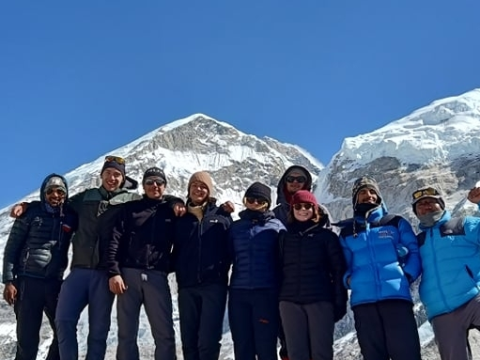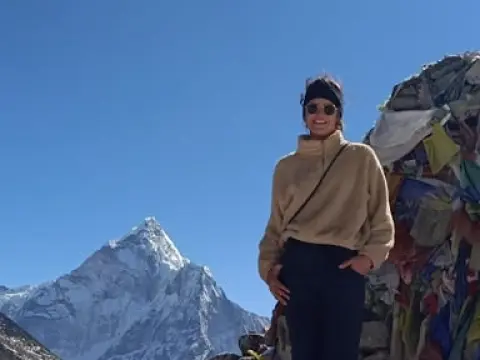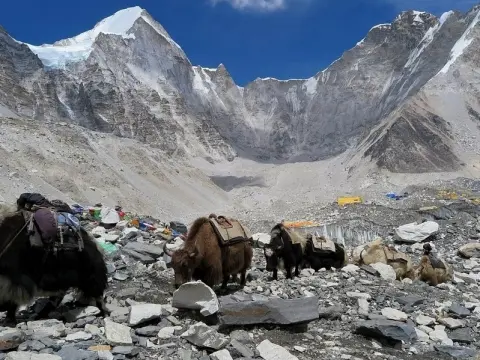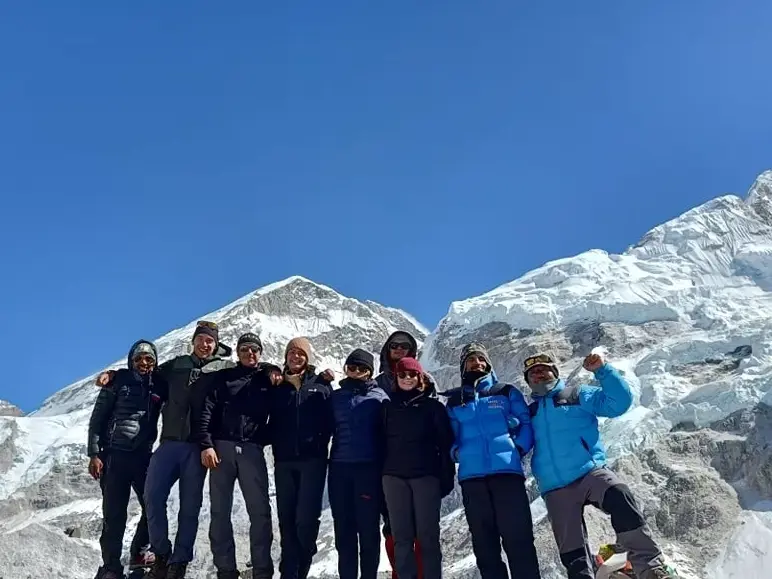
The Everest Base Camp (EBC) Trek is more than just a trek; it is an extraordinary journey that combines natural beauty, cultural experiences, and the thrill of adventure. Managed by Nepal Adventure Pilgrimage Treks & Expedition, this trek takes you through the heart of the Himalayas, passing through Sherpa villages, ancient monasteries, and rugged trails framed by some of the world’s tallest peaks. Life on this trek is a mix of physical challenge, breathtaking scenery, and cultural immersion, offering trekkers insights into the resilience and lifestyle of the high-altitude communities.
Life on the trail is simple yet enriching. From the moment you land in Kathmandu and fly to Lukla, you enter a world where altitude dictates your pace, tea houses provide warmth and sustenance, and every day brings a new mountain vista. Trekkers experience both the thrill of adventure and the peaceful rhythm of mountain life, making it a journey that is as spiritual as it is physically rewarding.
Shorting Point List: Amazing Facts About Life on the Everest Base Camp Trek
- Daily life revolves around acclimatization to high altitude; rest and hydration are essential.
- Tea houses offer basic but hearty meals, and staying in them provides a glimpse of local hospitality.
- Trekkers interact with the Sherpa people, learning about their traditions, festivals, and Buddhist practices.
- The landscape changes dramatically from lush forests at lower altitudes to rocky terrains and glaciers near EBC.
- Wildlife sightings, including Himalayan thar, snow leopards (rare), and colorful birds, are common.
- The journey requires physical stamina but offers mental rejuvenation and unparalleled natural beauty.
Introduction: Everest Base Camp
Everest Base Camp, located at 5,364 meters (17,598 ft), is the iconic starting point for climbers aiming for the summit of the world’s highest peak, Mount Everest. Trekking to EBC is considered one of the ultimate adventures in the world, attracting thousands of trekkers annually. With Nepal Adventure Pilgrimage Treks & Expedition, the trek is designed to ensure both safety and cultural immersion, allowing trekkers to experience the majestic Himalayas while gradually acclimatizing to high altitudes.
The journey to EBC is not just about reaching the destination; it is about experiencing the landscapes, communities, and the challenging conditions that define life in the Himalayas. Trekkers pass through Namche Bazaar, Tengboche Monastery, Dingboche, and Lobuche, each offering unique sights and experiences. Early mornings often bring panoramic views of Everest, Lhotse, and Ama Dablam, while evenings allow trekkers to relax and reflect on the day’s journey in the warmth of tea houses.
Shorting Point List: Introduction to Everest Base Camp
- EBC is at 5,364 meters (17,598 ft), the gateway for Everest climbers.
- The trek passes through iconic Sherpa villages, monasteries, and high-altitude landscapes.
- Gradual acclimatization is essential to prevent altitude sickness.
- Stunning views of Everest, Lhotse, Nuptse, and Ama Dablam along the way.
- Tea houses provide basic lodging, meals, and a glimpse into local Himalayan life.
- The trek combines adventure, cultural immersion, and spiritual experiences.
The Journey Begins: Trekking Through the Khumbu Region
The Everest Base Camp Trek starts with a flight from Kathmandu to Lukla, landing in one of the world’s most thrilling airports. From there, the trail winds through the Khumbu region, home to the Sherpa people and surrounded by towering Himalayan peaks. Every step introduces trekkers to the stunning diversity of Nepal’s landscapes—from lush pine forests and suspension bridges to rocky trails and rushing mountain rivers. Managed by Nepal Adventure Pilgrimage Treks & Expedition, the journey is carefully designed to balance adventure with safety and cultural immersion.
As trekkers move from Phakding to Namche Bazaar, the trails come alive with vibrant local culture. Namche Bazaar is the commercial and cultural hub of the Khumbu, where trekkers can explore traditional markets, cafes, and artisan shops. Along the way, you’ll encounter mani walls, prayer flags, and small Buddhist shrines, giving a deep sense of the region’s spiritual heritage. Each day is a combination of hiking, sightseeing, and slowly adjusting to the increasing altitude.
Shorting Point List: The Journey Through the Khumbu Region
- Starts with a scenic and thrilling flight to Lukla.
- Trails pass through forests, rivers, and Sherpa villages.
- Namche Bazaar serves as a cultural and commercial hub.
- Mani walls, prayer flags, and Buddhist shrines are common sights.
- Gradual trekking allows for acclimatization and stunning photo opportunities.
Altitude and Adaptation: Life Above 5,000 Meters
One of the most challenging aspects of life on the Everest Base Camp Trek is coping with high altitude. Areas like Lobuche, Gorak Shep, and Everest Base Camp itself rise above 5,000 meters, where oxygen levels are significantly lower than at sea level. Trekkers must carefully pace themselves, stay hydrated, and take rest days to acclimatize. Nepal Adventure Pilgrimage Treks & Expedition emphasizes altitude awareness and safety, helping trekkers avoid altitude sickness while still enjoying the adventure.
At these heights, daily life changes dramatically. Breathing becomes more labored, and even simple activities like walking or eating can feel exhausting. Trekkers often experience clearer skies and extraordinary sunrise views, as the thin air enhances visibility across the Himalayan range. Despite the physical challenges, reaching these altitudes offers a unique sense of achievement and awe-inspiring scenery that few other adventures can match.
Shorting Point List: Life Above 5,000 Meters
- Oxygen levels are 50–60% lower than at sea level.
- Gradual acclimatization is critical to avoid altitude sickness.
- Physical tasks, even minor ones, feel more challenging.
- Clear skies and panoramic views are frequent rewards.
- Rest, hydration, and slow trekking are essential survival strategies.
Lodges, Tea Houses, and Local Hospitality
Life on the Everest Base Camp Trek revolves around lodges and tea houses, which serve as the heart of daily life in the Khumbu region. These simple establishments offer food, warmth, and a place to rest after long hours of trekking. Managed by Nepal Adventure Pilgrimage Treks & Expedition, trekkers are guided to trusted accommodations that maintain cleanliness and provide authentic Sherpa hospitality. Staying in tea houses allows trekkers to experience local culture up close, from homemade meals to stories shared by Sherpa hosts.
Tea houses are more than just lodging—they are social hubs where trekkers from around the world gather. Shared meals of dal bhat (rice and lentil soup), noodles, or soups give an insight into Nepali cuisine, while evenings are spent exchanging trekking experiences and bonding with fellow adventurers. Despite basic amenities, the warmth of the local hosts, cozy fires, and panoramic mountain views make tea house life a memorable part of the EBC experience.
Shorting Point List: Lodges and Tea Houses
- Offer basic but comfortable lodging and meals.
- Serve as cultural hubs for interacting with locals and other trekkers.
- Dal bhat is a staple meal for energy and nutrition.
- Provide warmth and shelter in cold high-altitude conditions.
- Give a firsthand experience of Sherpa hospitality and culture.
Daily Life on the Trail: Food, Rest, and Routine
Trekkers’ days on the Everest Base Camp Trek are structured around trekking, eating, and resting. A typical day begins early with a hot breakfast, followed by 4–8 hours of trekking depending on altitude and terrain. Managed by Nepal Adventure Pilgrimage Treks & Expedition, the itinerary balances daily trekking distances with sufficient rest periods to help with acclimatization and recovery. Evening routines usually include dinner, planning for the next day, and enjoying spectacular mountain sunsets.
Nutrition and hydration are critical at high altitude. Meals in tea houses are simple but calorie-rich, including soups, noodles, rice, and energy snacks. Hot drinks like tea, coffee, and local butter tea help keep trekkers warm. Sleep is essential for recovery, though high altitude can make it challenging. Despite the physical demands, the repetitive rhythm of trekking, eating, and resting fosters a meditative experience that allows trekkers to connect deeply with the Himalayas and themselves.
Shorting Point List: Daily Life on the Trail
- Early breakfast, long trekking sessions, and evening rest are the norm.
- Tea houses provide hot meals and drinks to maintain energy.
- Hydration is crucial due to high-altitude exertion.
- Trekking is balanced with rest and acclimatization days.
- The rhythm of the trek encourages mental focus and reflection.
Weather Wonders: Experiencing Everest’s Extreme Climate
The Everest Base Camp Trek exposes trekkers to one of the world’s most extreme and varied climates. From the lush, warm valleys at lower altitudes to the cold, arid landscapes above 5,000 meters, the weather on this trek can change dramatically in a single day. Managed by Nepal Adventure Pilgrimage Treks & Expedition, trekkers are guided to prepare for sudden snowstorms, icy winds, and intense sun exposure, especially at high altitudes. Understanding and respecting these conditions is essential for safety and enjoyment.
Despite its challenges, Everest’s climate offers breathtaking beauty. Clear mornings reveal panoramic views of Everest, Lhotse, Ama Dablam, and other towering peaks, while sunsets paint the mountains in golden and pink hues. During trekking season, the skies are mostly clear, but travelers must be prepared for sudden weather shifts. Layered clothing, proper gear, and flexibility in the itinerary are key to thriving in these extreme conditions.
Shorting Point List: Weather Wonders
- Rapidly changing weather requires flexibility and preparedness.
- Clear mornings offer stunning panoramic views of Himalayan peaks.
- Afternoon clouds and storms are common above 4,000 meters.
- Layered clothing and high-quality gear are essential for survival.
- Cold nights and sunny days create unique trekking challenges and rewards.
Flora and Fauna: Nature’s Surprises Along the Trek
The trail to Everest Base Camp is not just about mountains—it’s a journey through diverse ecosystems. At lower altitudes, trekkers encounter rhododendron forests, pine trees, and flowering shrubs. As the altitude increases, vegetation becomes sparse, and hardy alpine plants such as mosses, lichens, and small shrubs dominate the landscape. Nepal Adventure Pilgrimage Treks & Expedition ensures that trekkers appreciate this unique ecological diversity while treading lightly to preserve it.
Wildlife is another amazing aspect of the trek. Trekkers may spot Himalayan tahr, musk deer, and various colorful bird species. In rare instances, snow leopards and red pandas have been sighted in the higher regions. The combination of flora and fauna gives the Everest region a unique ecological identity and offers trekkers unforgettable encounters with nature in one of the world’s most extreme environments.
Shorting Point List: Flora and Fauna
- Lower altitudes: lush forests with rhododendrons, pines, and wildflowers.
- Higher altitudes: alpine plants, mosses, and lichens.
- Wildlife includes Himalayan tahr, musk deer, pheasants, and rare snow leopards.
- Unique ecosystems adapt to extreme cold and altitude.
- Provides opportunities for nature photography and ecological observation.
Cultural Insights: Meeting Sherpas and Local Communities
One of the most enriching aspects of the Everest Base Camp Trek is engaging with the local Sherpa and other Himalayan communities. Villages like Namche Bazaar, Tengboche, and Pangboche are home to centuries-old traditions, vibrant festivals, and deeply rooted Buddhist practices. Nepal Adventure Pilgrimage Treks & Expedition emphasizes cultural interaction, ensuring trekkers not only observe but also participate respectfully in local customs.
Trekkers learn about Sherpa life, including mountaineering heritage, agriculture, and religious practices. Monasteries and prayer wheels along the trail provide spiritual insights, while local markets reveal the trade and craft traditions that sustain these high-altitude communities. These interactions allow trekkers to gain a deeper appreciation for the resilience, warmth, and hospitality of the people who call the world’s highest mountains home.
Shorting Point List: Cultural Insights
- Interaction with Sherpa communities and other Himalayan villagers.
- Visits to monasteries, prayer wheels, and local temples.
- Participation in local festivals and cultural rituals.
- Insight into traditional agriculture, trade, and mountaineering life.
- Unique opportunity to experience genuine Himalayan hospitality.
Challenges and Triumphs: Physical and Mental Resilience
Trekking to Everest Base Camp is a true test of endurance, strength, and mental resilience. Daily trails range from 4 to 9 hours, often over steep, rocky, and uneven terrain. High altitude, extreme weather, and limited amenities make this trek a significant challenge. Nepal Adventure Pilgrimage Treks & Expedition guides trekkers carefully, offering support, pacing, and acclimatization strategies to ensure a safe and fulfilling journey.
Despite the physical hardships, the sense of accomplishment at reaching Everest Base Camp and Kala Patthar is unparalleled. Trekkers gain not only physical strength but also mental fortitude and confidence. Every step—from crossing suspension bridges to summiting high-altitude viewpoints—reinforces patience, determination, and the ability to overcome challenges, making the trek a transformative experience.
Shorting Point List: Challenges and Triumphs
- Long trekking hours over rugged and steep terrain.
- High-altitude challenges: thin air, fatigue, and risk of altitude sickness.
- Extreme weather conditions, including cold, wind, and snow.
- Mental resilience and patience are essential for success.
- Tremendous sense of achievement and personal growth at high-altitude milestones.
Conclusion: Memories and Lessons from the Roof of the World
The Everest Base Camp Trek is more than a physical journey—it is a life-changing adventure that leaves lasting memories. From the first steps in Lukla to the sunrise at Kala Patthar, trekkers experience awe-inspiring landscapes, unique cultures, and personal triumphs. With Nepal Adventure Pilgrimage Treks & Expedition, every aspect of the journey is thoughtfully curated to ensure safety, comfort, and cultural immersion, making the trek accessible yet unforgettable.
Beyond the scenery, the trek teaches valuable lessons in humility, perseverance, and connection with nature and people. Trekkers return home not only with breathtaking photographs but also with a renewed perspective on life, resilience, and the power of setting and achieving extraordinary goals. Everest Base Camp is truly a destination that transforms travelers physically, mentally, and spiritually.
Shorting Point List: Memories and Lessons
- Life-changing adventure with breathtaking Himalayan landscapes.
- Cultural immersion with Sherpa communities and monasteries.
- Personal growth through physical and mental challenges.
- Lessons in perseverance, humility, and resilience.
- Memories of sunsets, sunrises, and unparalleled mountain vistas.